LocalCode

Kansas City

We have the privilege of supporting the largest real estate developments in two neighborhoods on Kansas City's Eastside, led by developers from within each community: Ajia Morris and Myeisha Wright. Their projects, a $250 million pipeline, are structured for local ownership.

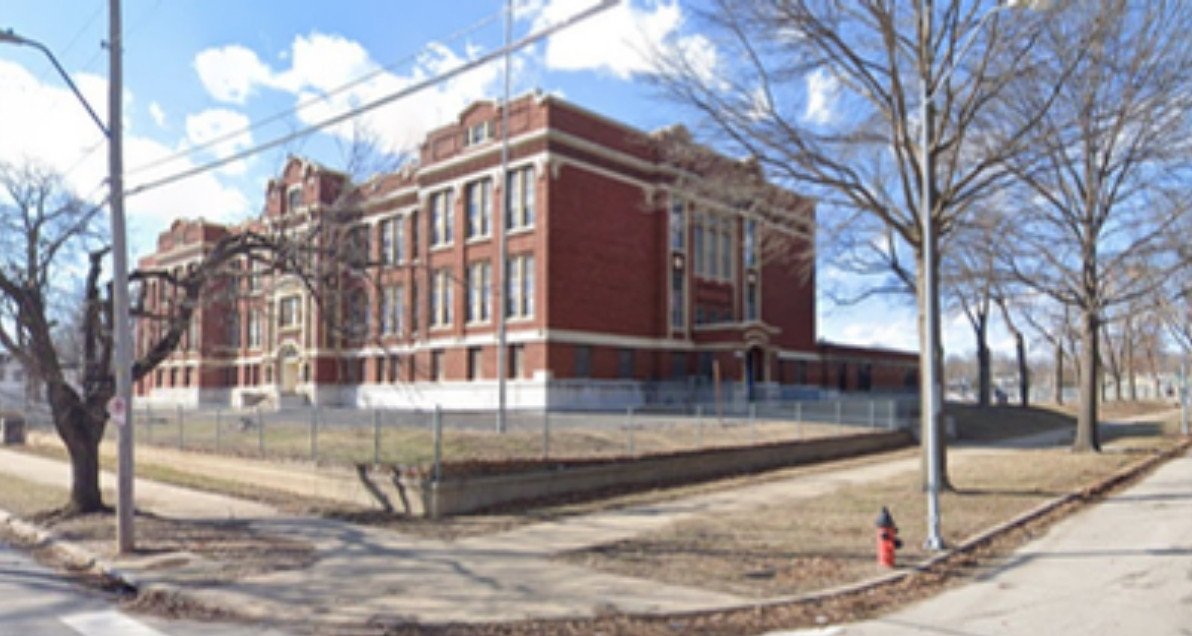
The Ladd School on Kansas City's Eastside
$250Mdevelopment pipeline, the largest projects in their neighborhoods
$2Mfrom the Sunderland Foundation for the Ladd Project
$2.63Mraised from national investors, with a 6% buyback for community ownership
80%local ownership at Ladd once tax-credit compliance ends
Why Kansas City

A line down Troost Avenue.

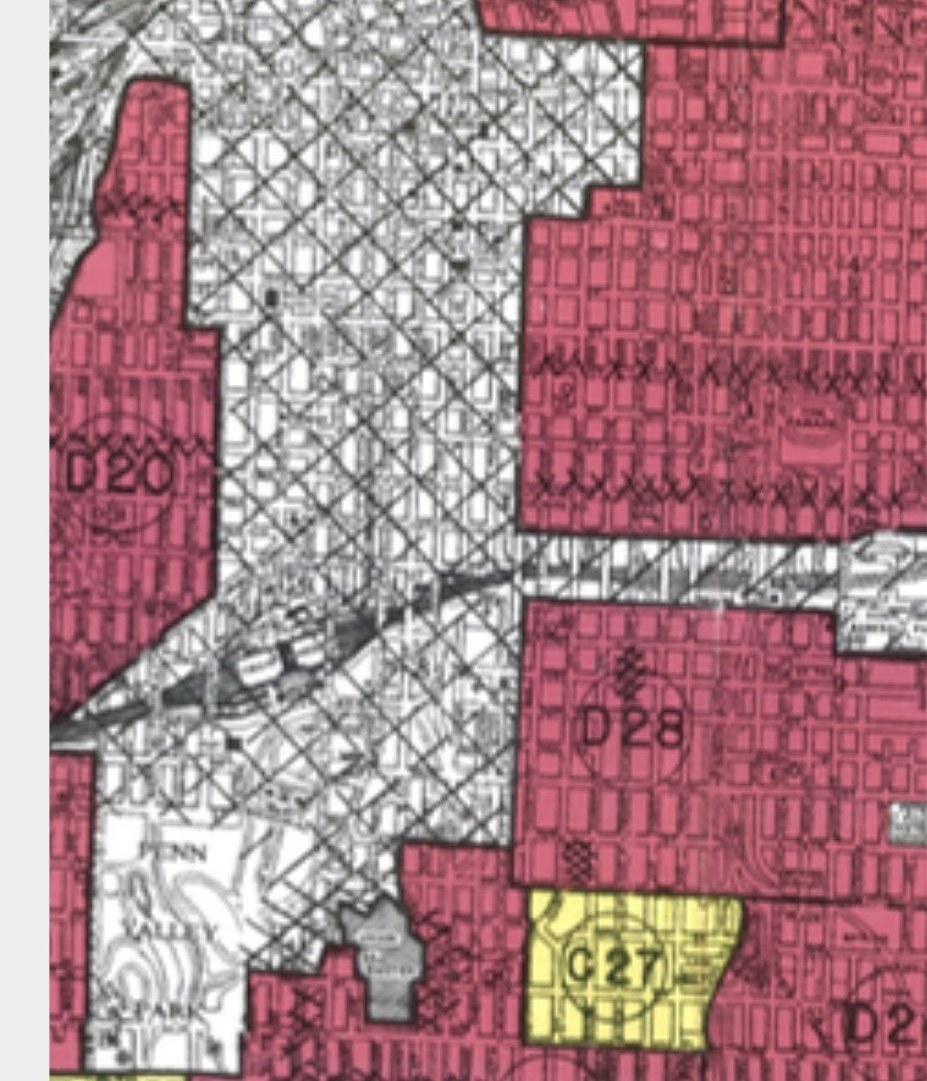
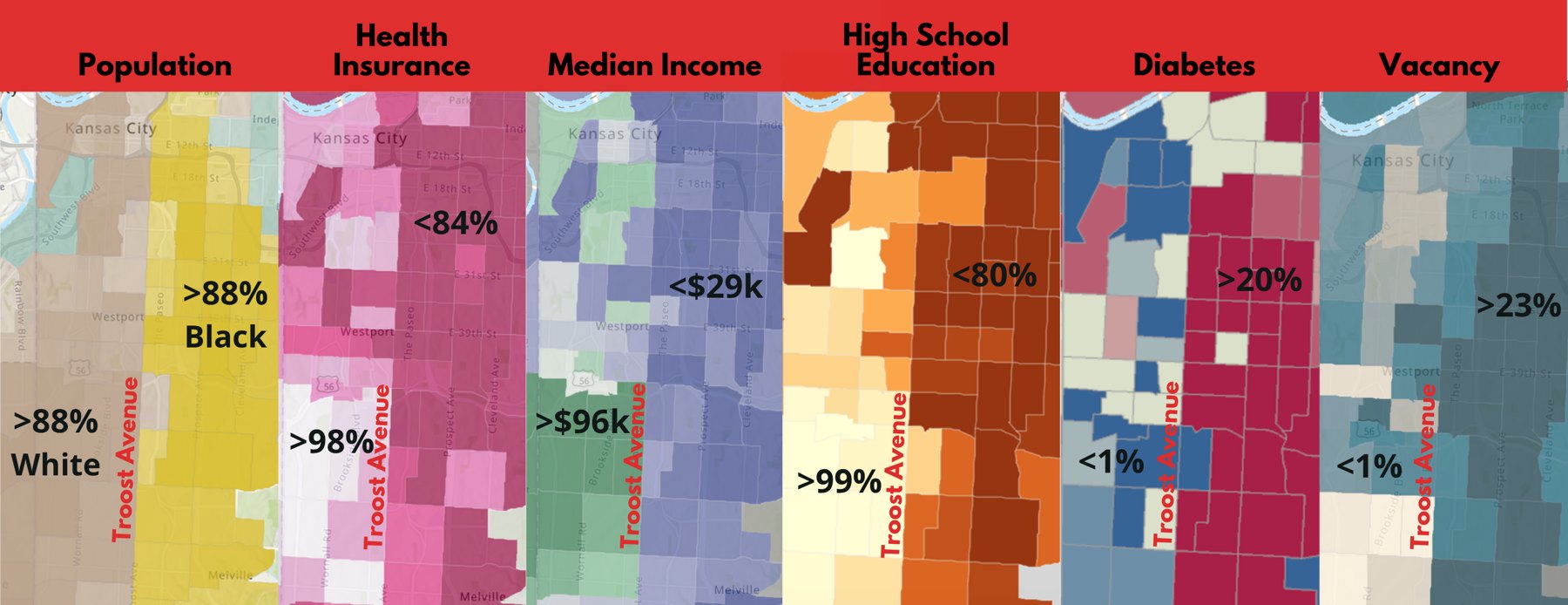
Redlining, racial covenants, blockbusting and displacement divided Kansas City along Troost Avenue. Nearly a century later, disinvestment still follows that line: in income, health, education and vacant land.

"None of the lots hereby restricted may be conveyed to, used, owned, nor occupied by negroes as owners or tenants."J.C. Nichols Investment Co., deed restriction, 1933. Nichols, Kansas City's leading developer, helped draw the line down Troost.
1939 redlining map of Kansas City
Redlining map, Kansas City, ca. 1939.
Six maps of Kansas City showing sharp differences east and west of Troost Avenue in population, health insurance, median income, education, diabetes and vacancy
East and west of Troost Avenue today. Centers for Disease Control data via ArcGIS.
Who leads

Local leaders own and lead. We support.

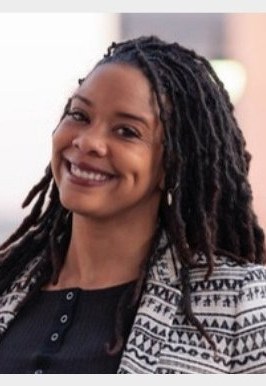
Ajia Morris, a local leader and trusted developer, founded LocalCode Kansas City, a separate, locally led company. LocalCode supports the work with patient, affordable financing and advice.

Ajia Morris

LocalCode Kansas City

Ajia Morris, Founder

A minority, woman-owned real estate development company on the Eastside, helping communities build wealth and well-being through local ownership of businesses and real estate.

localcodekc.co
Myeisha Wright

The Wright Way Group

Myeisha Wright, Founder

A minority woman-owned development and management company. Myeisha, from the nearby Key Coalition neighborhood with four generations of Eastside roots, leads 31st & Prospect.

permission and website link

The Way Home

Local nonprofit partner

Formed by local business leader Dan Carroll to directly support affordable housing on the Eastside. It is rallying major philanthropy and individual donors behind this work.

permission and website link

Two developments, structured for local ownership

The Ladd School
Pre-construction

The Ladd Project

Led by Ajia Morris · LocalCode Kansas City

A 60,000 sf historic landmark school on a full city block in Oak Park, empty for fifteen years and four blocks from Ajia's home. The plan comes from her and her neighbors' vision for what the neighborhood needs.

  • $52M redevelopment on 3.6 acres
  • 81 affordable apartments: 39 in the school, 42 in three new buildings
  • Net-zero: solar, geothermal and battery storage
  • Community space for neighbors and local businesses current program: event space, health center, cafe?
  • 80% locally owned once tax-credit compliance ends
  • Construction closing targeted for Q2 2027
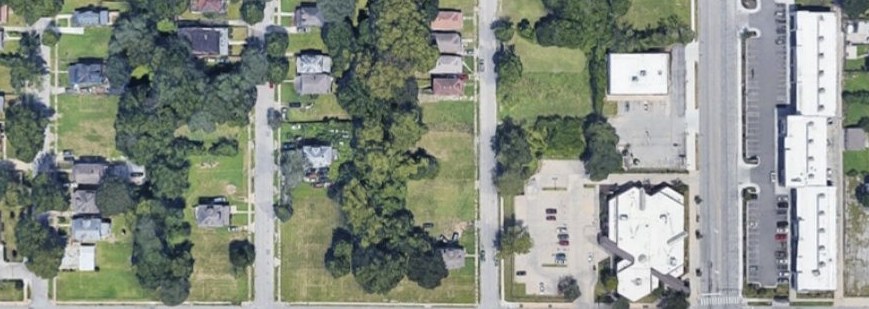
Aerial view of the 31st and Prospect site
Site assembly

31st & Prospect

Led by Myeisha Wright · The Wright Way Group, with LocalCode Kansas City

Two and a half city blocks at one of the busiest intersections on Prospect Avenue, the Eastside's main commercial corridor, next to Kansas City's most-used public library and its MAX rapid bus line. The regional transit authority named it a top-priority transit-oriented project.

  • $200M plan, three phases, on 8.9 acres
  • 80% of the 50+ lots acquired
  • Family and workforce homes, plus a commercial hub for services and local businesses unit count: 250 (deck) vs 340+ in Phase I (2023 summary)
  • Structured for local ownership
  • Phase I closing expected in 2027

Impact beyond the two projects

Developer capacity

Ajia and Myeisha have grown their track records and relationships for social-impact development.

New philanthropy

A $2 million Sunderland Foundation gift to Ladd brought major philanthropy into locally led affordable housing.

Patient equity

LCKC set up an investment fund with a 6% buyback. It has raised $2.63 million, much of it from investors new to Kansas City.

Top advisors

Some of Kansas City's most experienced real estate leaders advise LCKC projects at sharply reduced fees.

A "show me" city, shown

Leading developers, funders and public officials have bought into the principles. Dan Carroll formed The Way Home.

The bigger goal

Create the conditions for $1 billion of locally owned, regenerative development along Prospect Avenue.

How ownership transfers

Investors earn a fair return. Then the community buys in.

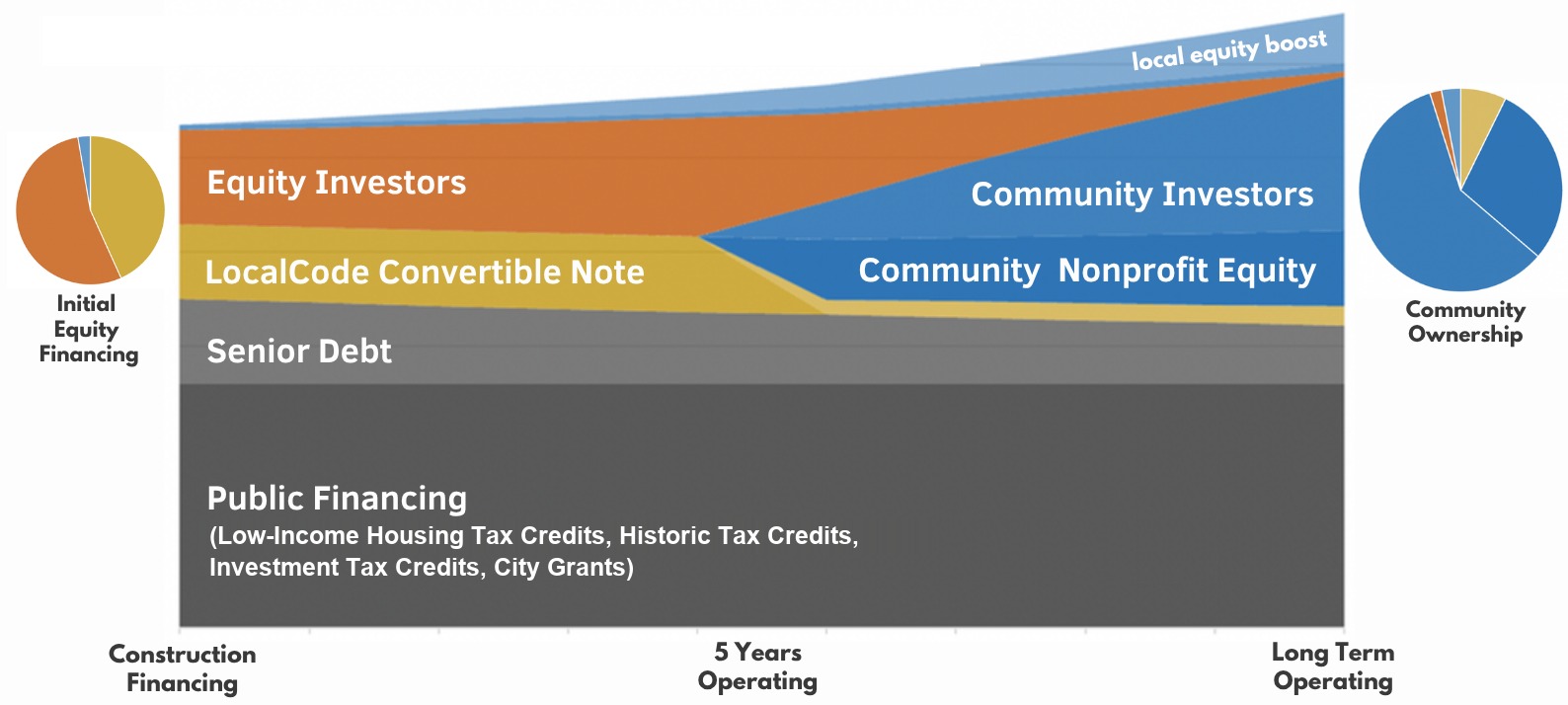
Initial investors agree up front to be bought out at a 6% annual appreciation rate. Ownership transitions once the tax-credit compliance period is complete.

LCKC and community members chose a hybrid model: residents invest once the property is stable and earning, and a locally governed nonprofit shares in ownership. The timing leaves room for financial education and building governance capacity.

One example of a LocalCode ownership model. Structures vary by project.

Chart: equity investors and a LocalCode convertible note fund construction; after about five years of operation, community investors and community nonprofit equity replace them, alongside senior debt and public financing
What Kansas City taught us

It works. It's also far too hard.

Ladd's capital stack has nine sources. Three of them each took a one-off campaign. About $5 million of low- to no-interest subordinated debt, roughly 10% of the stack, plus access to loan guarantees, could have halved the time to close. That insight became the Structural Equity Initiative.

For projects, news and the team on the ground, visit LocalCode Kansas City.

localcodekc.co